FM Radio - No Static At All
On November 5, 1935, electrical engineer Edwin Howard Armstrong stood before the New York section of the Institute of Radio Engineers (now the IEEE) to publicly demonstrate FM (Frequency Modulation) radio for the first time. He presented his landmark paper, "A Method of Reducing Disturbances in Radio Signaling by a System of Frequency Modulation” and broadcast a crystal-clear audio signal without the background hiss and crackle that had plagued AM radio.
"The room went completely silent—not because his invention failed, but because for the first time in history, it actually worked."
What really changed everything was the complete absence of the one sound every radio listener had accepted as permanent: STATIC. No crackle, hiss, or distortion cutting through the broadcast, simply pure crystalline sound. A voice came through his speakers as clearly as if the person were standing three feet away. Music played without the electric buzz that had haunted every radio broadcast since Marconi sent his first signal across the Atlantic.
Armstrong had just invented FM radio and at that moment, he'd made every AM radio station in America obsolete. It should have been his greatest triumph. Instead, it became the beginning of the end.
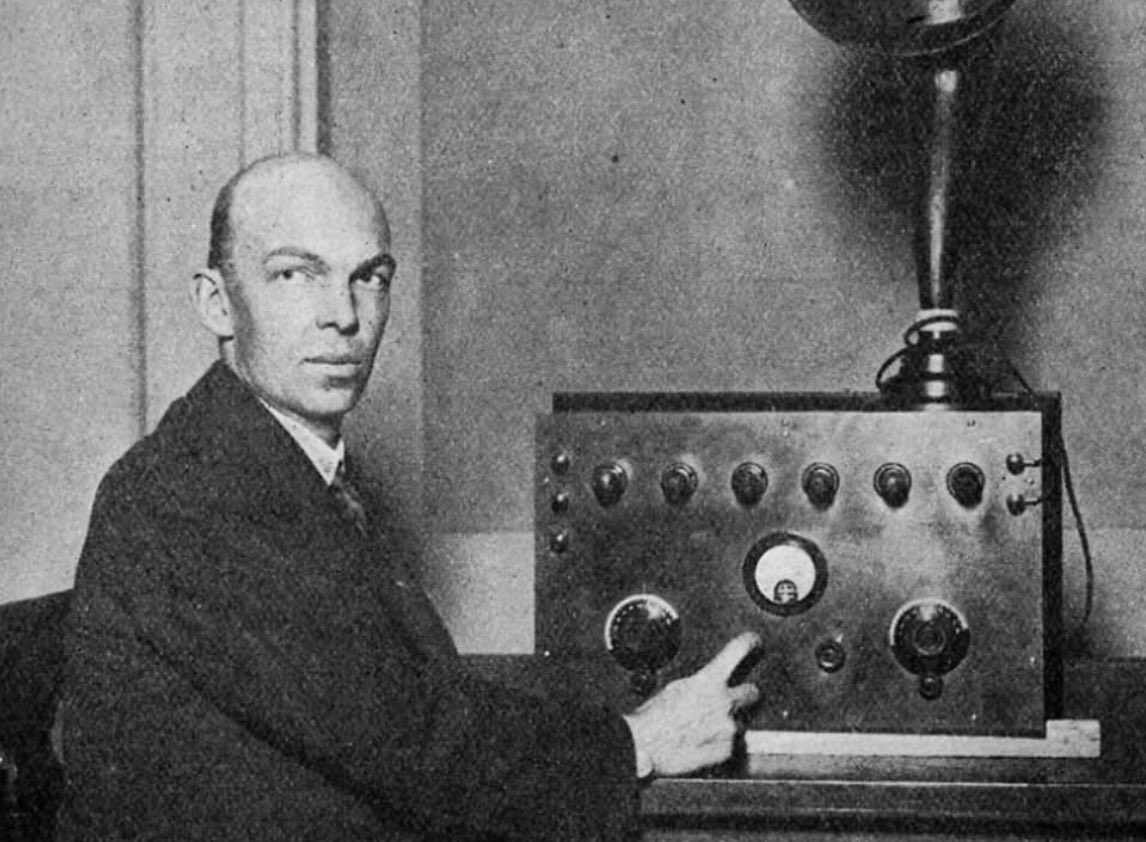 Edwin Howard Armstrong
Armstrong wasn't some garage tinkerer stumbling onto something by accident. He was already a legend. At twenty-two, he'd invented the regenerative circuit that made radio receivers practical. In 1918, he created the superheterodyne receiver—the foundation of nearly every radio and television used today. His groundbreaking work placed him at war with the corporations that controlled American broadcasting: AT&T, Westinghouse, and most dangerously, RCA – led by David Sarnoff, a man who understood that business wasn't about the best technology; It was about who controlled it.
When Armstrong demonstrated FM in 1935, RCA faced an existential problem. They'd invested millions in building AM infrastructure across America. They owned the patents, the stations, the equipment manufacturers. Their entire empire ran on AM technology and FM threatened all of it.
Unlike Armstrong's earlier inventions—which RCA could license, buy, or quietly steal, FM couldn't be controlled. It was fundamentally different, better and it made RCA’s infrastructure vulnerable. Armstrong built his own FM station network between 42 and 50 MHz. It worked beautifully. Crystal-clear broadcasts with no interference. Stations soon began appearing across the country.
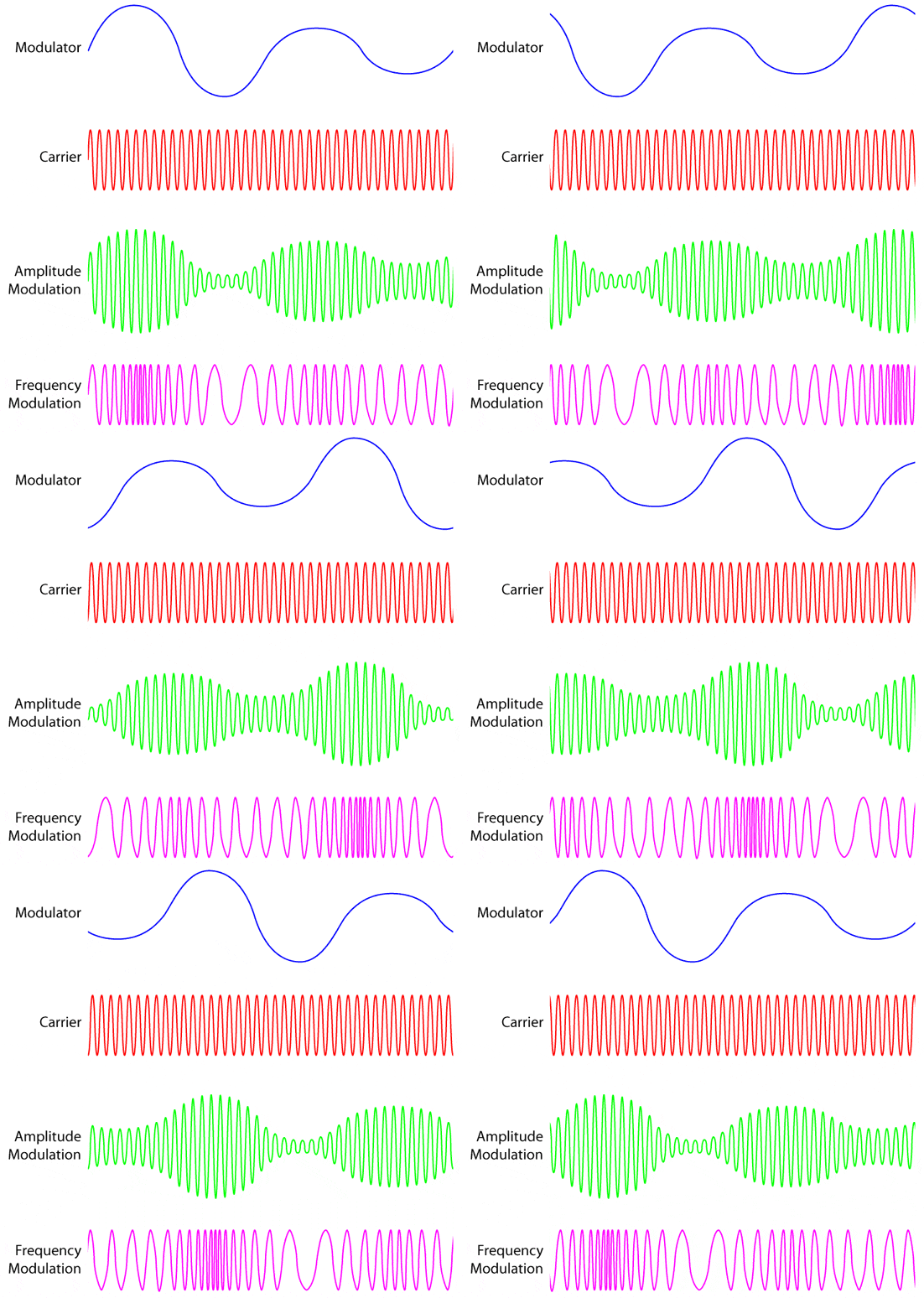
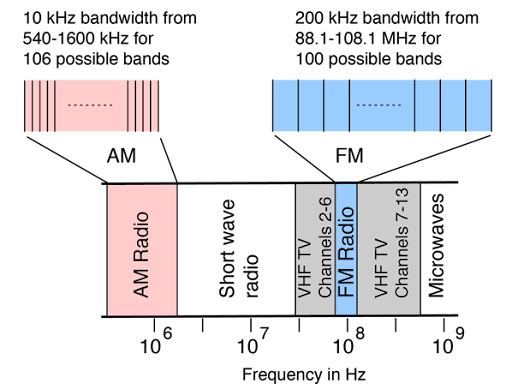
Then in 1945 – after years of relentless corporate lobbying behind closed doors, the FCC made what they called a "technical adjustment". FM radio would be moved to a new frequency band: 88 to 108 MHz. Every FM receiver Armstrong and his partners had built? Useless overnight. Every station had to be completely rebuilt from scratch. Years of investment and thousands of radios in American homes. An entire network was erased with a regulatory pen stroke. The FCC also imposed power limits on FM stations, crippling their broadcasting range compared to AM. RCA pushed television as the "future," framing FM as outdated technology before it even had a real chance.
Along with the lawsuits came patent litigation designed not to win, but to drain and exhaust Armstrong's resources, energy, and will to fight. These legal battles stretched for years, bleeding him financially and emotionally. For nearly two decades, he fought while spending his entire fortune on legal fees. His health deteriorated and the marriage to Marion crumbled under unrelenting pressure. The man who had revolutionized radio three times was being systematically destroyed by the very industry he'd built.
On the morning of January 31, 1954, Edwin Howard Armstrong put on his overcoat, hat, and gloves and wrote a short note to Marion. After an amazing 63 years, he stepped out into the winter air after opening a window of his 13th-floor Manhattan apartment. Marion would later say that RCA didn't just take his inventions, they took his life. But here's the truth they couldn't erase: the technology itself.
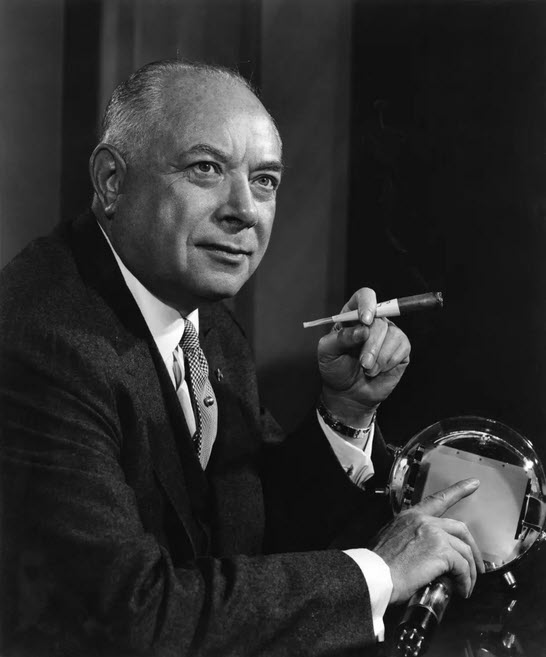
David Sarnoff (RCA)
Today, nearly every radio station in America broadcasts on FM. Every time you hear music without static crackle. Every time a voice comes through so clearly you forget you're listening to a machine. Every time you turn the dial, that's Armstrong's invention. He never got to see it triumph. He died believing he'd failed, that the corporations had beaten him, his life's work had been for nothing.
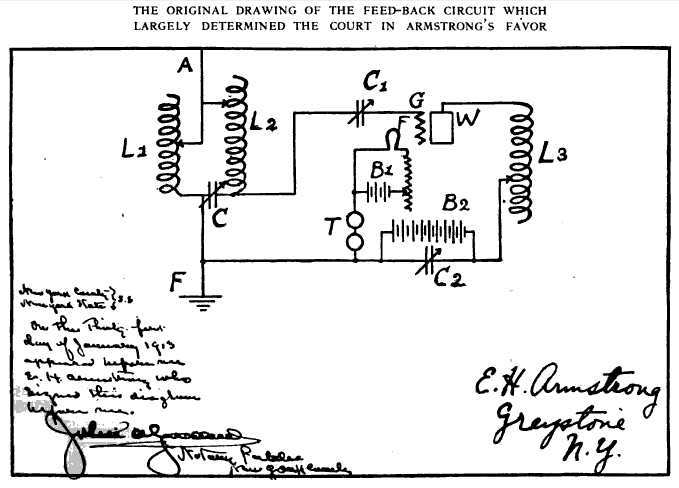
Armstrong's "feed back" circuit drawing, from Radio Broadcast vol. 1 no. 1 1922
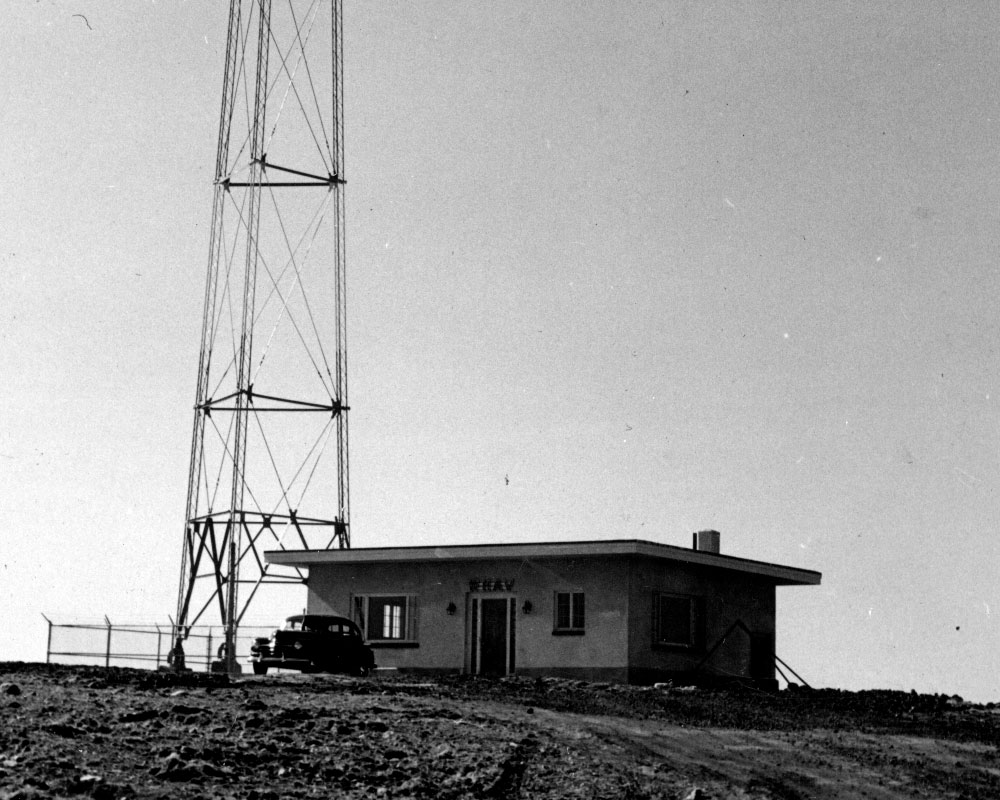 Old Radio Station and Tower
By Markus Twainer